School Bus for Sale: Ultimate Guide to Finding Your Perfect Bus
Have you ever looked at a yellow bus and imagined the freedom of the open road? You are not alone in this dream. Many people want to buy a school bus for sale to build a tiny home. Others need one to move large groups of people safely. No matter your goal, buying a large vehicle is a big step. This guide will help you understand how to pick the right one for your needs.
Finding the right school bus for sale can feel like a grand adventure. There are many sizes, engine types, and shapes to consider. Some buses are short and easy to park anywhere. Other vehicles are long and offer plenty of space inside. We will break down everything you need to know about these amazing machines. You will learn what to look for so you can shop with total confidence.
Table of Contents
Understanding the Different Bus Sizes
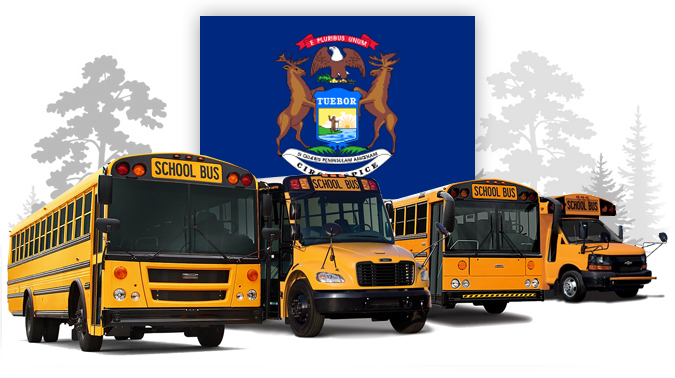
When you search for a school bus for sale, size is your first big choice. Short buses are usually built on a van chassis. They are easy to drive and handle like a standard truck. You do not need a special license for most short models. They fit in normal parking spaces, which makes camping very easy. However, the inside space is small, so you must plan your layout carefully.
Medium buses offer a great middle ground for buyers. They give you extra space without being too scary to drive on tight roads. Large transit buses are the giants of the highway. They give you maximum square footage for your creative projects. These big models are perfect for large families or full-time living. Just remember that long buses require more care when turning tight corners.
The Biography of a Classic Yellow School Bus
Every vehicle has a unique history and structural design. School buses are engineered differently than standard commercial trucks or passenger vans. They use heavy-duty steel cages to keep passengers safe. Understanding the specifications of these vehicles helps you make a smarter purchase. The data below shows what makes a typical model stand out.
| Vehicle Component | Standard Specification Details |
| Body Construction | High-tensile steel cage with rolled steel ribs for rollover protection |
| Average Length | Ranges from 20 feet (short) to 40 feet (full-size transit models) |
| Engine Placement | Conventional front engine (dog nose) or rear engine (pusher style) |
| Fuel Capacity | Typically 30 to 100 gallons depending on the chassis size |
| Brake Systems | Hydraulic brakes on smaller units; Air brakes on larger heavy-duty models |
| Electrical Output | Heavy-duty 12-volt system with high-output alternators for accessories |
Choosing Between Front and Rear Engines
Engine placement changes how a vehicle handles on the road. A front-engine school bus for sale has the motor right up front. People often call these “dog nose” buses because of the long hood. They are easy to service because any mechanic can reach the engine easily. The downside is that the cabin gets loud while you are driving down the highway.
A rear-engine model is often called a “pusher” bus. The motor sits all the way in the back of the vehicle. This design makes the front cabin very quiet and pleasant during long trips. You also get a flat front view, which helps you see the road clearly. However, these models can be harder to repair because the engine compartment is tight.
What to Look for During a Physical Inspection
Never buy a school bus for sale without looking at it closely first. Rust is the biggest enemy of old metal vehicles. Check the undercarriage and the stairs near the front door. Surface rust can be cleaned and painted over easily. Deep rust that creates holes in the frame is a major warning sign. Walk away if the frame looks weak or flaky.
Next, you should inspect the tires carefully. Replacing large tires is very expensive and can ruin your budget. Look for cracks in the rubber and check the tread depth. Ask the owner to start the engine while it is cold. Watch the exhaust pipe for thick black or blue smoke. A healthy engine should start quickly and idle smoothly without loud knocking sounds.
Understanding the Cost of Ownership
The price tag on a school bus for sale is just the beginning. You must budget for insurance, registration, and regular maintenance. Large diesel engines require a lot of oil during routine changes. Fuel economy is also quite low compared to a standard car. Most large models get between seven and ten miles per gallon.
If you plan to convert the vehicle, building materials cost money too. Insulation, wood, plumbing, and solar panels add up quickly. It is smart to save extra cash for unexpected mechanical repairs. A good rule of thumb is to keep a backup fund just for the engine and transmission.
Where to Buy a Used Bus Safely
You can find a school bus for sale in several reliable places. Public school district auctions are excellent sources. Schools maintain their fleets carefully to keep children safe. This means you often get detailed service records with your purchase. You can also find great options through private dealers or online classified websites.
Private sellers might offer buses that are already partially converted. This can save you a lot of time and hard labor. However, make sure to verify the title before handing over any cash. You want a clean title that allows you to register the vehicle in your home state without hassle.
The Importance of Good Maintenance Records
Always ask for service history when looking at a school bus for sale. A vehicle with records is worth more than one without them. You want to see regular oil changes and brake inspections. Fleet vehicles usually follow strict schedules mandated by local laws.
If the seller cannot provide paperwork, proceed with extra caution. It means you will have to guess the age of the fluids and belts. In that case, budget for a complete fluid flush right after you buy it. Changing the coolant, oil, and transmission fluid gives you a fresh start.
Planning Your Layout and Build
If you are buying a school bus for sale for a camper project, plan early. Use tape on the floor to map out your walls and bed. Keep heavy objects like water tanks near the center axles. This keeps the vehicle balanced and safe while driving.
Remember to think about height limitations inside the cabin. Some models have low ceilings that make standing up difficult for tall people. Look for high-headroom models if you want maximum comfort. You can also perform a roof raise, but that requires advanced welding skills.
Navigating Insurance and Licensing Laws
Insuring a school bus for sale can be tricky at first. Many standard insurance companies do not know how to classify them. You may need to look for specialty commercial vehicle insurance. Once the conversion is done, you can change the title to a motorhome.
Check your state laws regarding commercial driver’s licenses. If your vehicle weighs over 26,000 pounds, you might need a special license. Removing the passenger seats can change the legal classification in some areas. Always call your local department of motor vehicles to confirm the rules.
Driving Tips for Beginners
Driving a long vehicle takes patience and practice. Your turning radius is much wider than a normal car. You must swing wide at intersections to avoid hitting the curb. Give yourself double the stopping distance when approaching red lights.
Wind can also push a large vehicle around on the highway. Hold the steering wheel firmly when big semi-trucks pass you by. Take your time and stay in the right lane until you feel completely comfortable with the size.
Joining the Bus Community for Support
You do not have to complete this journey all by yourself. There is a massive community of enthusiasts online. They share tips on where to find a school bus for sale. They also offer amazing advice on plumbing, solar power, and engine repairs.
Connecting with other owners can save you from making costly mistakes. People love to share their build pictures and answer technical questions. You will find that the community is incredibly welcoming to beginners.
Frequently Asked Questions
How much does a typical school bus cost?
Prices vary wildly based on age, mileage, and overall condition. A used model from a school auction usually costs between $3,000 and $10,000. Fully converted models sold by private owners can cost much more.
Do I need a special license to drive one?
It depends on the weight of the vehicle and your local state laws. Air brakes and weights over 26,000 pounds often require special permits. Removing the passenger seats usually lowers the legal requirements.
What is the best engine for a school bus?
Many buyers look for older diesel engines because they last a long time. Models like the DT466 or Cummins 5.9 are famous for being reliable and easy to fix. Avoid engines with complex electronic emissions if you want simple repairs.
How many miles can a diesel bus last?
A well-maintained diesel engine can easily run for over 300,000 miles. Some high-quality commercial models even reach 500,000 miles before needing a major rebuild. Regular maintenance is the key to making them last.
Can I park a school bus on my driveway?
You must check your local city zoning laws and neighborhood rules first. Many residential areas ban parking large commercial vehicles on the street. Short models usually fit into standard driveways without causing any complaints.
Is it hard to find replacement parts?
No, because most models share chassis parts with common medium-duty delivery trucks. You can find components at heavy truck parts stores or online. Any mechanic who works on big trucks can service your vehicle.
Ready to Start Your Journey?
Finding the perfect school bus for sale takes time, but the reward is incredible. Whether you build a mobile home or use it for group travel, it opens up a world of possibilities. Start exploring local auctions and online listings today to find your match. Your next great road trip is waiting just around the corner.