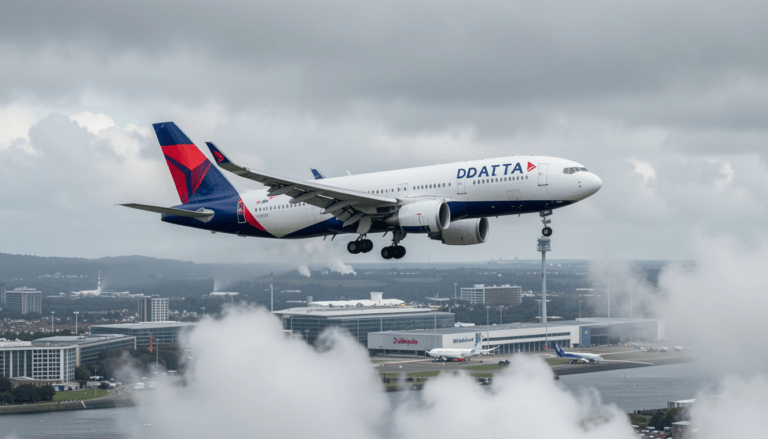
Delta Cancels 200 Atlanta Flights Due to Severe Weather: What Travelers Need to Know
Storm clouds roll in, and suddenly your flight plans change fast. That is what happens when Delta cancels 200 Atlanta flights due to severe weather. This kind of event has happened more than once at Hartsfield-Jackson Atlanta International Airport. Thunderstorms, hail, and gusty winds can shut down normal airport operations quickly. If you have ever been stuck at a gate wondering what is going on, this article is for you. We will explain exactly why Delta cancels 200 Atlanta flights due to severe weather, how the airline responds, and what you should do if it happens to you. You will also learn how weather teams make these tough calls. Understanding this process can turn a stressful travel day into a manageable one. Let’s walk through everything together, step by step, in simple and clear language.
Table of Contents
Why Does Delta Cancel 200 Atlanta Flights Due to Severe Weather?
Atlanta sits in a region known for sudden summer storms. When Delta cancels 200 Atlanta flights due to severe weather, it usually starts with fast-moving thunderstorms. These storms often bring lightning, heavy rain, and strong winds. Lightning is especially dangerous for ground crews. Workers cannot safely load bags or fuel planes during active lightning nearby. This alone can shut down ramp operations for hours. Hail is another major factor. Even small hail can damage an aircraft’s outer surface. Planes hit by hail must be inspected before flying again. This inspection process takes time, especially when dozens of aircraft are involved at once. All of these factors combine to create the kind of large-scale disruption seen when Delta cancels 200 Atlanta flights due to severe weather. Safety always comes before schedules in these decisions.
How Weather Impacts One of the World’s Busiest Airports
Hartsfield-Jackson Atlanta International Airport handles an incredible number of flights every single day. This makes any disruption feel much bigger than at smaller airports. When Delta cancels 200 Atlanta flights due to severe weather, the effects ripple outward fast. A single storm can delay planes flying in from other cities. Those same planes are needed later for outgoing flights. This creates a chain reaction across the entire schedule. Crew members also have strict rest rules to follow. If storms delay flights for too long, crews may run out of legal duty time. This alone can force even more cancellations the next day. Because Atlanta serves as such a major hub, weather problems here can affect travelers across the entire country, not just those flying directly through Georgia.
The Role of Delta’s Meteorology Team
Many people do not realize that airlines employ their own weather experts. Delta uses an in-house meteorology team to track storms every day. This team studies weather patterns days before Delta cancels 200 Atlanta flights due to severe weather. They look at wind speed, lightning risk, and storm timing. Their forecasts help operations teams plan ahead instead of reacting at the last minute. Pilots also use real-time weather tools inside the cockpit. These tools show storm cells, turbulence, and lightning activity as it happens. This technology helps crews avoid dangerous areas during flight. Combining expert forecasting with in-flight technology gives Delta a strong safety advantage. It also explains why some cancellations happen well before a storm even arrives. Early action often prevents much bigger problems later in the day.
What Happens When Ground Crews Face Lightning Risks
Ground crews play a huge role during severe weather events. When lightning is active nearby, workers must stop tasks immediately. This includes loading luggage, refueling planes, and directing aircraft on the ramp. Safety rules require workers to head indoors until lightning risk passes. This is one major reason Delta cancels 200 Atlanta flights due to severe weather so quickly. Without ground crew support, planes simply cannot prepare for departure. Even after lightning clears, crews need time to restart normal operations. Fuel trucks, baggage carts, and gate agents all need to get back into position. This restart process can take longer than people expect. Passengers often feel frustrated waiting during this time. Understanding this process helps travelers see why patience truly matters during major weather disruptions at busy hubs like Atlanta.
How Aircraft Inspections Add to Flight Delays
Hail and severe wind can physically damage an aircraft. Whenever this risk exists, safety rules require inspections before any flight continues. This is a major factor when Delta cancels 200 Atlanta flights due to severe weather. Inspectors check wings, fuselage panels, and other outer surfaces carefully. Even small dents from hail can require repairs before takeoff. With dozens of aircraft affected at once, inspections take real time to complete. Maintenance teams often work through the night to finish these checks. This process protects passengers, even though it adds extra delay. Skipping inspections would be far riskier than a temporary schedule disruption. Airlines would rather cancel flights than risk flying a damaged aircraft. This careful, safety-first approach is exactly why thorough inspections remain non-negotiable after severe storms.
How Delta Communicates With Passengers During Disruptions
Clear communication matters greatly during chaotic weather days. When Delta cancels 200 Atlanta flights due to severe weather, the airline typically issues travel waivers. These waivers let passengers change flights without extra fees. Delta also sends updates through its app, website, and email alerts. Passengers are encouraged to check their flight status before heading to the airport. This simple step can save hours of unnecessary waiting. Gate agents and customer service teams also help travelers rebook flights quickly. Automatic rebooking often places passengers on the next available flight without any action needed. Still, checking updates yourself remains the smartest approach. Relying only on airport screens can leave you behind on the latest changes. Staying proactive gives you far more control during any large-scale weather disruption like this one.
What Passengers Can Do Before a Storm Hits
Being prepared can make a huge difference during travel disruptions. If Delta cancels 200 Atlanta flights due to severe weather during your trip, quick action helps. Download the Delta app before your travel day begins. Turn on notifications so you get updates immediately. Check weather forecasts for Atlanta a day or two before flying. If storms look likely, consider booking an earlier flight that same day. Earlier flights face less risk of afternoon storm buildup. Pack essential items like medication and chargers in your carry-on bag. This helps if you face an unexpected overnight delay. Travel insurance can also offer useful protection during major weather events. A little planning ahead can turn a stressful situation into a manageable inconvenience, even during large-scale disruptions at busy hubs like Atlanta.
What To Do If Your Flight Gets Canceled
Discovering your flight was affected can feel overwhelming at first. If Delta cancels 200 Atlanta flights due to severe weather and yours is one of them, stay calm. Check the Delta app immediately for rebooking options. Most passengers are automatically placed on the next available flight. If you prefer a full refund instead, you can request one through Delta’s website. Keep your receipts if you need meals or a hotel during a long delay. These documents help if you seek reimbursement later. Contacting Delta through social media can sometimes get faster responses during busy periods. Staying polite with airline staff often leads to quicker, more helpful support. Remember, gate agents did not create the storm. They are working hard to help you reach your destination safely.
Why These Weather Disruptions Are Becoming More Common
Weather patterns have grown more unpredictable in recent years. This is part of why events like Delta cancels 200 Atlanta flights due to severe weather seem to happen more often. Stronger storms, more frequent hail, and sudden temperature swings all play a role. Airlines are investing heavily in predictive weather technology to stay ahead of these changes. Better forecasting tools help teams make proactive decisions earlier in the day. Still, no system can fully predict every storm’s exact path. This means some level of disruption remains unavoidable during peak storm seasons. Airports built for massive daily traffic, like Atlanta, feel these disruptions especially hard. Understanding this bigger picture helps travelers stay realistic. Weather-related cancellations are not a sign of airline failure. They are simply part of flying safely through an unpredictable natural world.
How This Affects Connecting Flights Nationwide
Because Atlanta connects so many routes together, local storms create national ripple effects. When Delta cancels 200 Atlanta flights due to severe weather, travelers far from Georgia often feel the impact too. A missed connection in Atlanta can delay someone’s final leg to another state entirely. This is why checking your full itinerary matters, not just your first flight. If you have a tight connection through Atlanta during storm season, consider extra buffer time. Booking a later connecting flight can reduce your risk of missing it entirely. Airlines try their best to rebook affected passengers quickly. Still, extreme disruption days can mean long lines and limited seats on later flights. Planning ahead, especially during summer storm season, remains one of the smartest ways to protect your full travel schedule.
Delta Weather Disruption Quick Facts Overview
| Detail | Information |
|---|---|
| Primary Hub Affected | Hartsfield-Jackson Atlanta International Airport |
| Typical Cause | Severe thunderstorms, hail, and high winds |
| Reported Cancellations | Around 200 flights or more during major events |
| Key Safety Concern | Lightning risk for ground crews |
| Additional Delay Factor | Required aircraft inspections after hail |
| Crew Rule Impact | Limited duty time leading to further cancellations |
| Passenger Support | Travel waivers, rebooking, and refund options |
| Recommended Tool | Delta app for real-time flight status |
| Common Season | Spring and summer storm months |
| Best Passenger Action | Check flight status before heading to the airport |
Frequently Asked Questions
1. Why does Delta cancel 200 Atlanta flights due to severe weather so often? Atlanta faces frequent thunderstorms and hail, which create safety risks for ground crews and require aircraft inspections before flights continue.
2. Will I get a refund if my flight is canceled? Yes, passengers can often request a refund if they choose not to travel after a weather-related cancellation.
3. How do I know if my flight is affected? Check the Delta app or website for real-time updates before heading to the airport during storm season.
4. Does Delta charge extra fees to change a flight during severe weather? No, Delta typically issues travel waivers that allow free changes during major weather disruptions.
5. Why do cancellations sometimes continue into the next day? Crew rest rules and aircraft repositioning can cause additional cancellations even after the storm has passed.
6. Can I avoid weather delays completely when flying through Atlanta? Not completely, but booking earlier flights and checking forecasts ahead of time can lower your risk significantly.
Final Thoughts
Severe weather is simply part of flying, especially through a massive hub like Atlanta. When Delta cancels 200 Atlanta flights due to severe weather, it reflects a safety-first mindset, not poor planning. Storms, hail, and lightning create real risks that airlines must respect. Staying informed, flexible, and prepared makes a real difference during these disruptions. If this guide helped you understand what to expect and how to respond, share it with someone flying through Atlanta soon. Stay ready, stay patient, and always check your flight status before heading out the door.